THE PLASTIC STUDIO
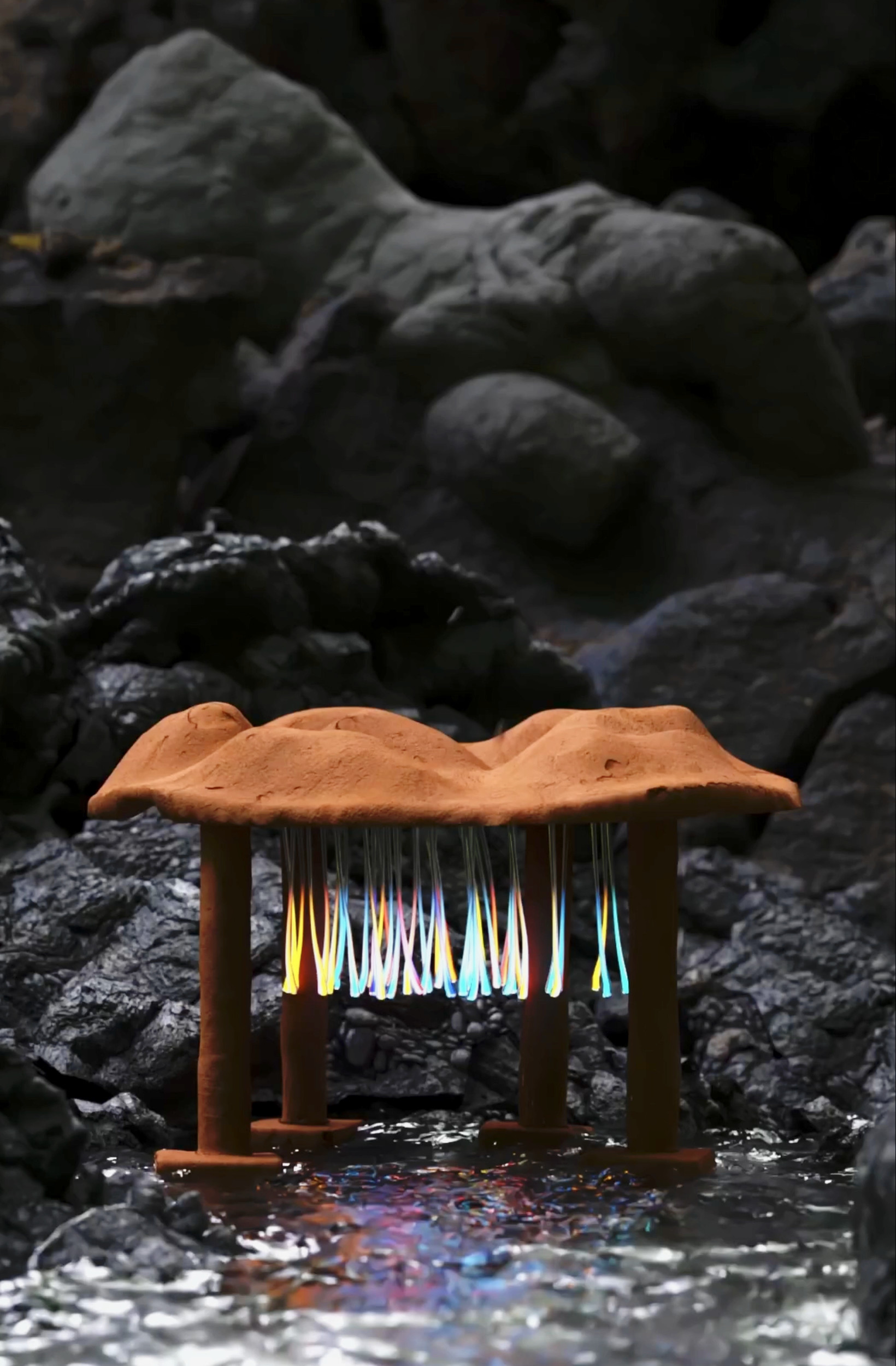
MEMOS
ANIMATION & SCULPTURAL
INSTALLATION
Direction: Aias Kokkalis
Concept: Natalia Manta, Aias Kokkalis
VFX, Animation: Aias Kokkalis
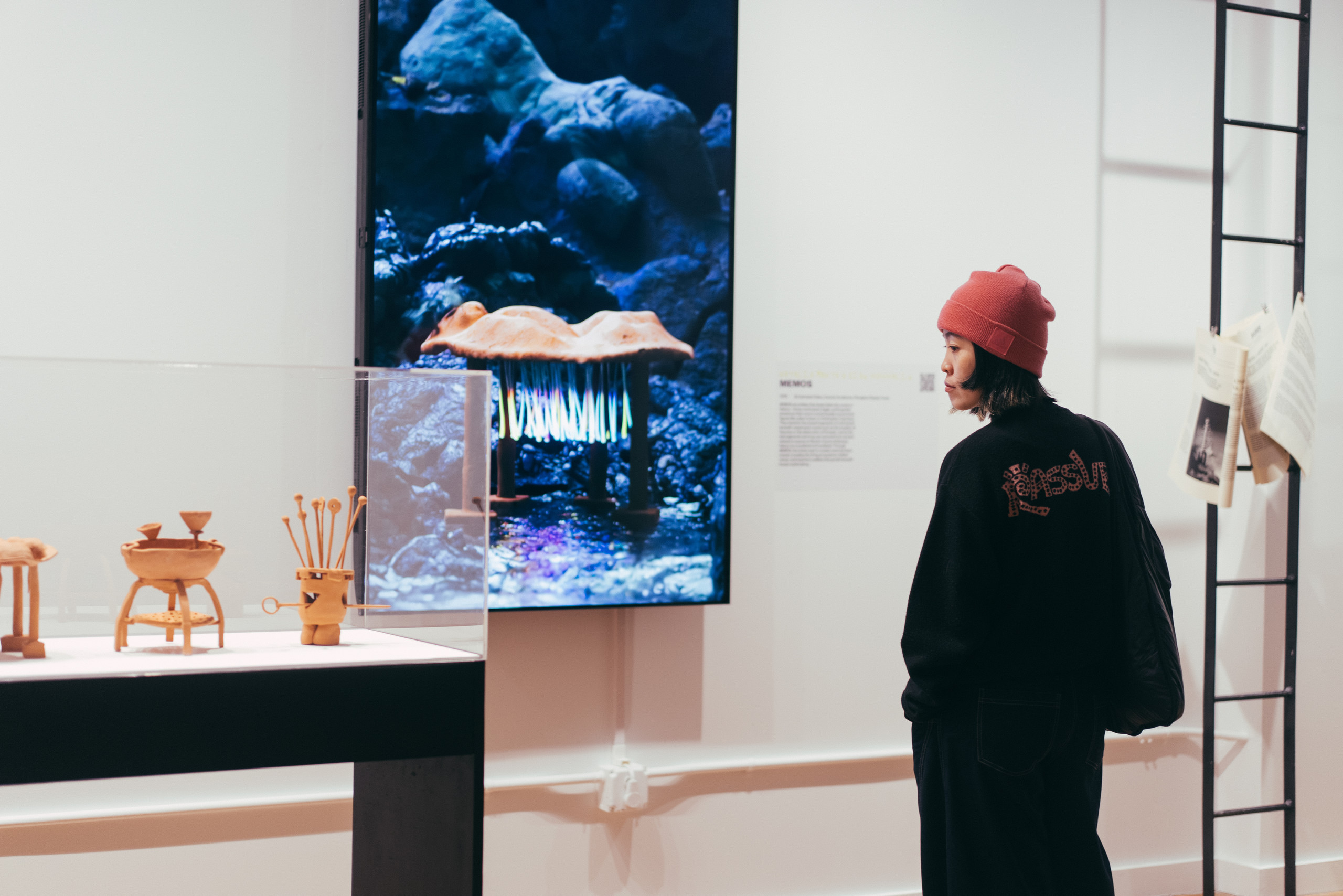
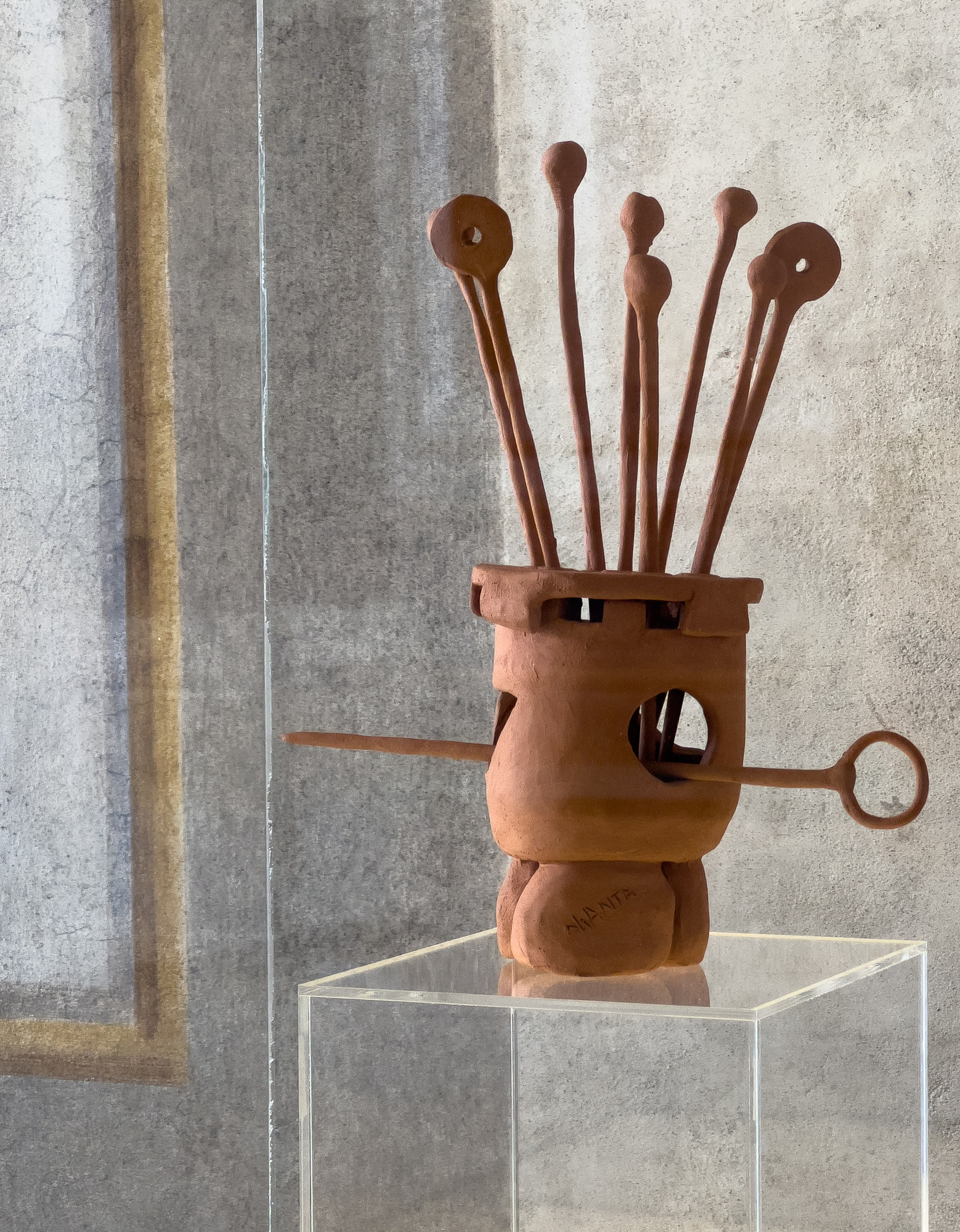
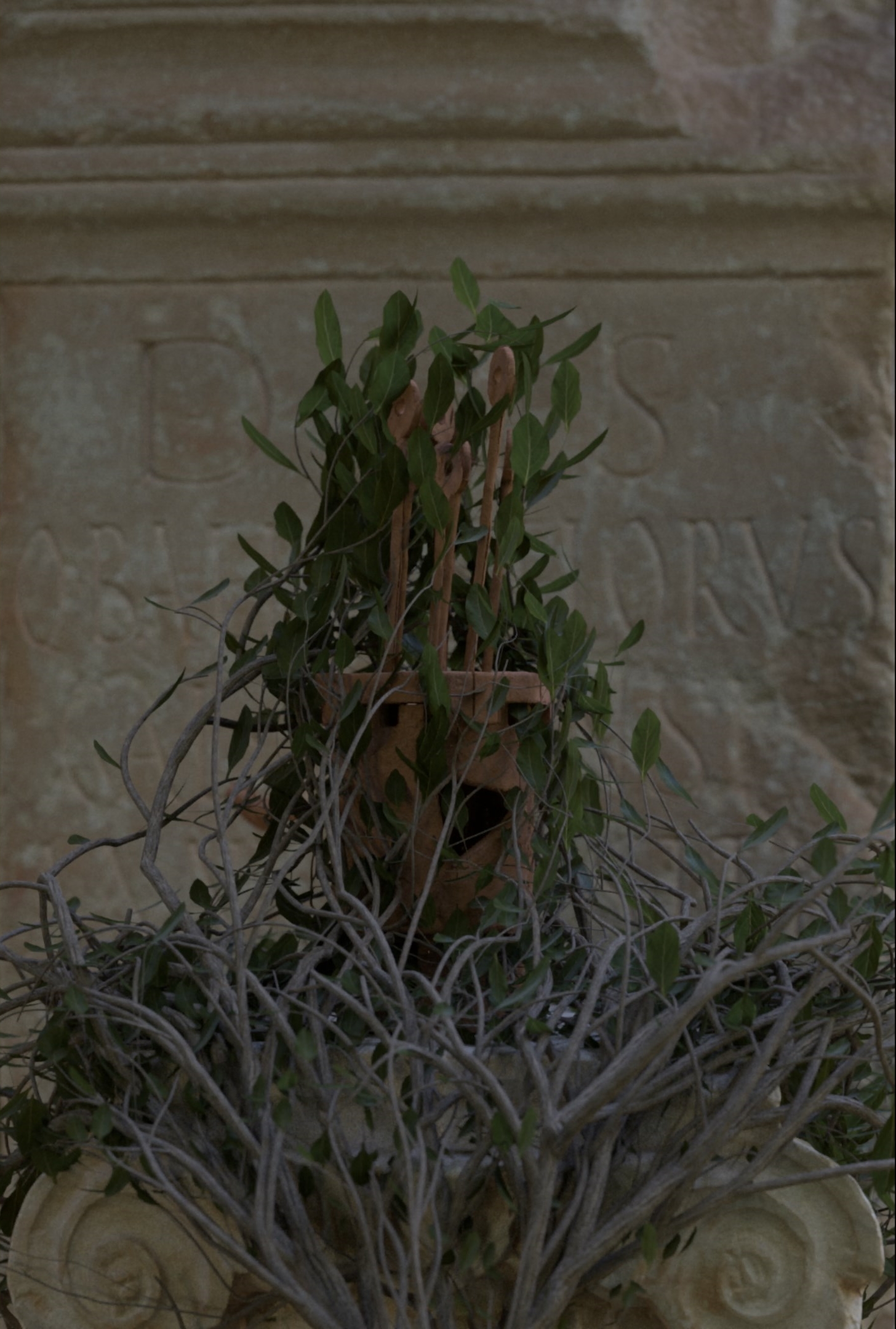
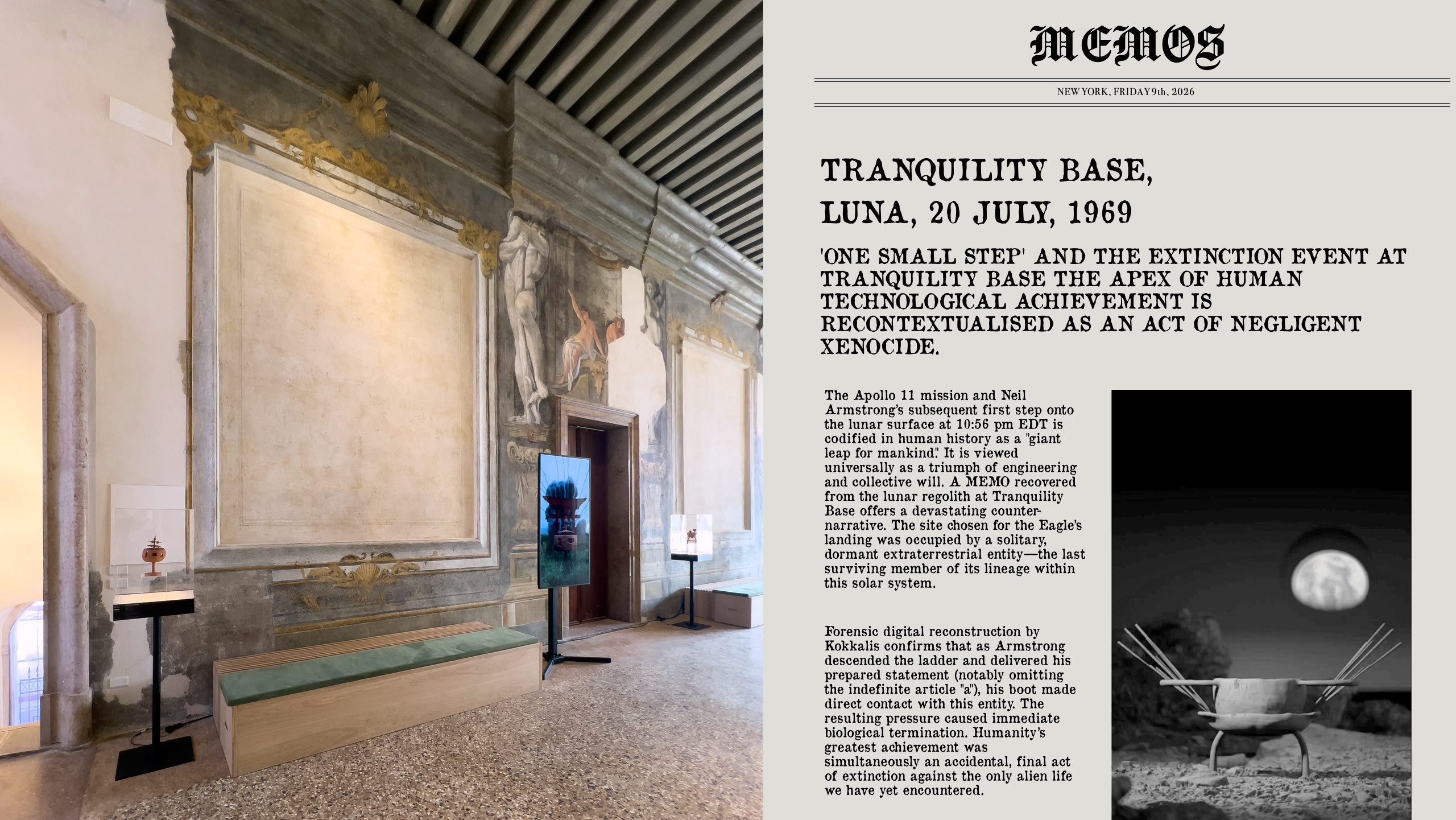
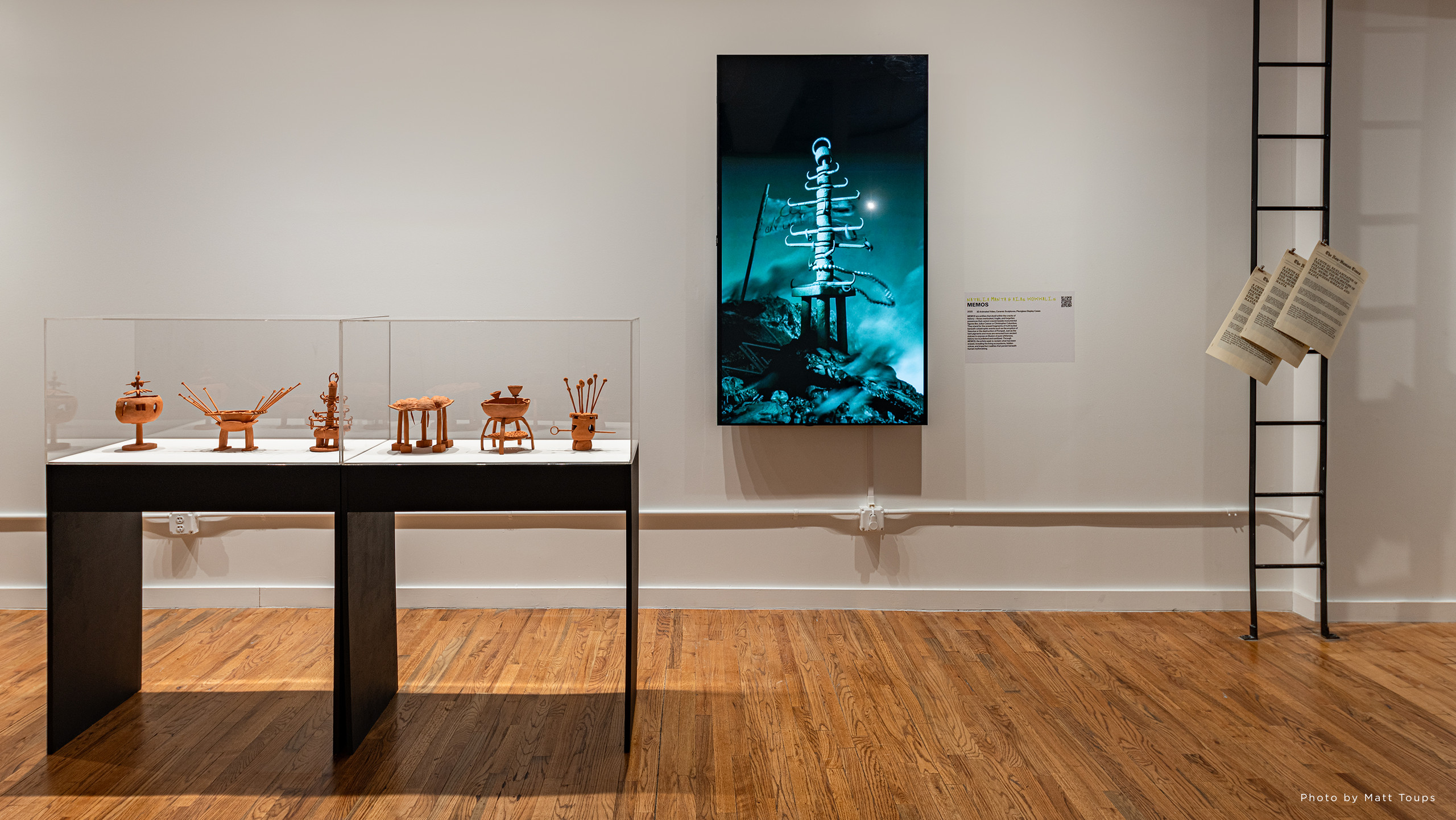
The artistic collaboration between Aias Kokkalis and Natalia Manta, known as MEMOS, serves as the confluence of their creative oeuvres. This perpetually evolving series of diptychs, sculptures, and 3D animations takes as its point of departure pivotal events in human history, and engages in a discourse on the non-human Other. Each diptych constitutes a 'phygital' (physical plus digital) artefact, embodying a novel form of funerary monument.
The sculptures of Natalia Manta take life in looping animations, digital tombs or funeral stones, that put into perspective the non-human others in major historical events such as the death of Julius Caesar, the first step of Colombus on America or the eruption of Vesuvius and the destruction of Pompei.
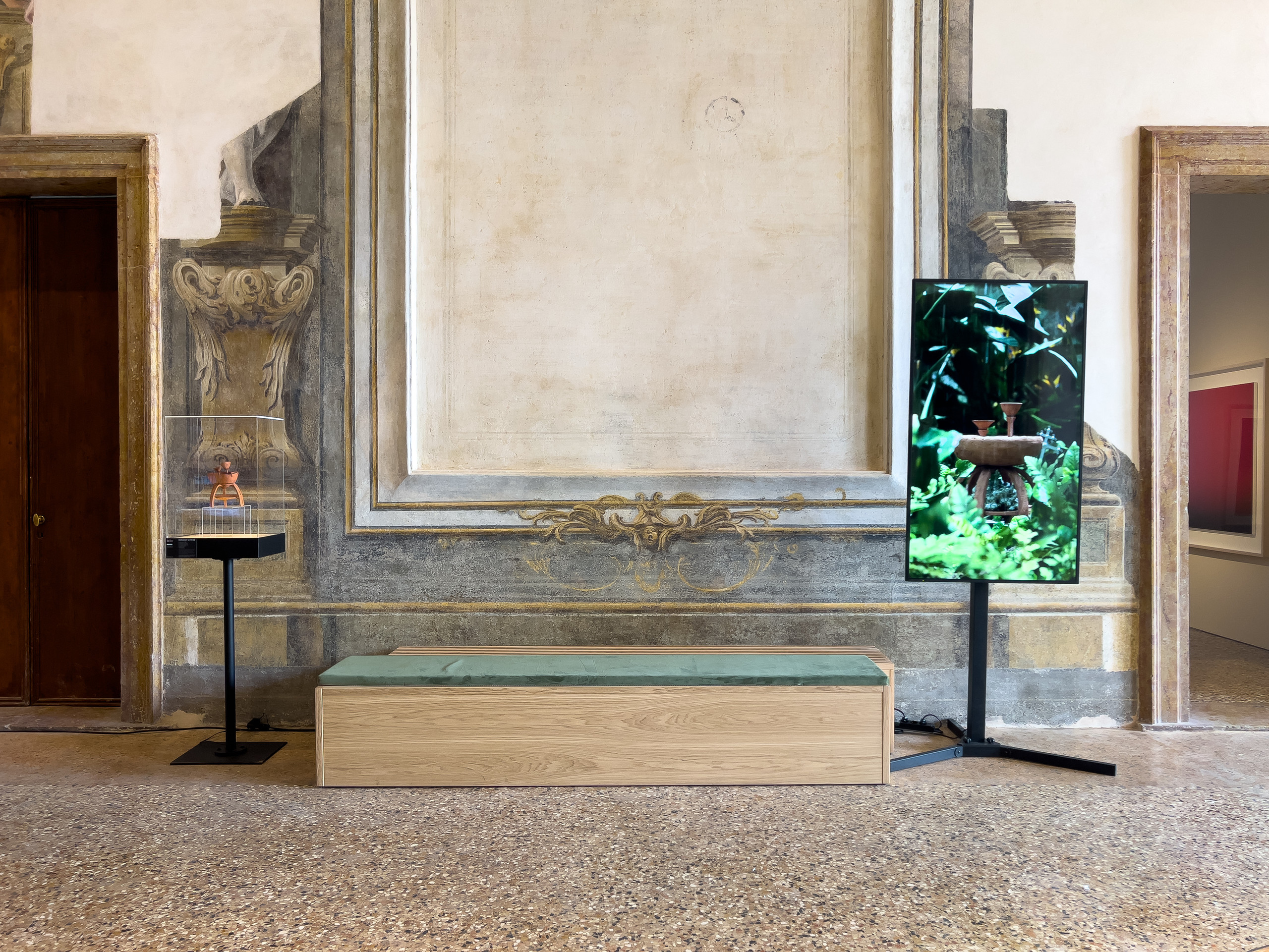
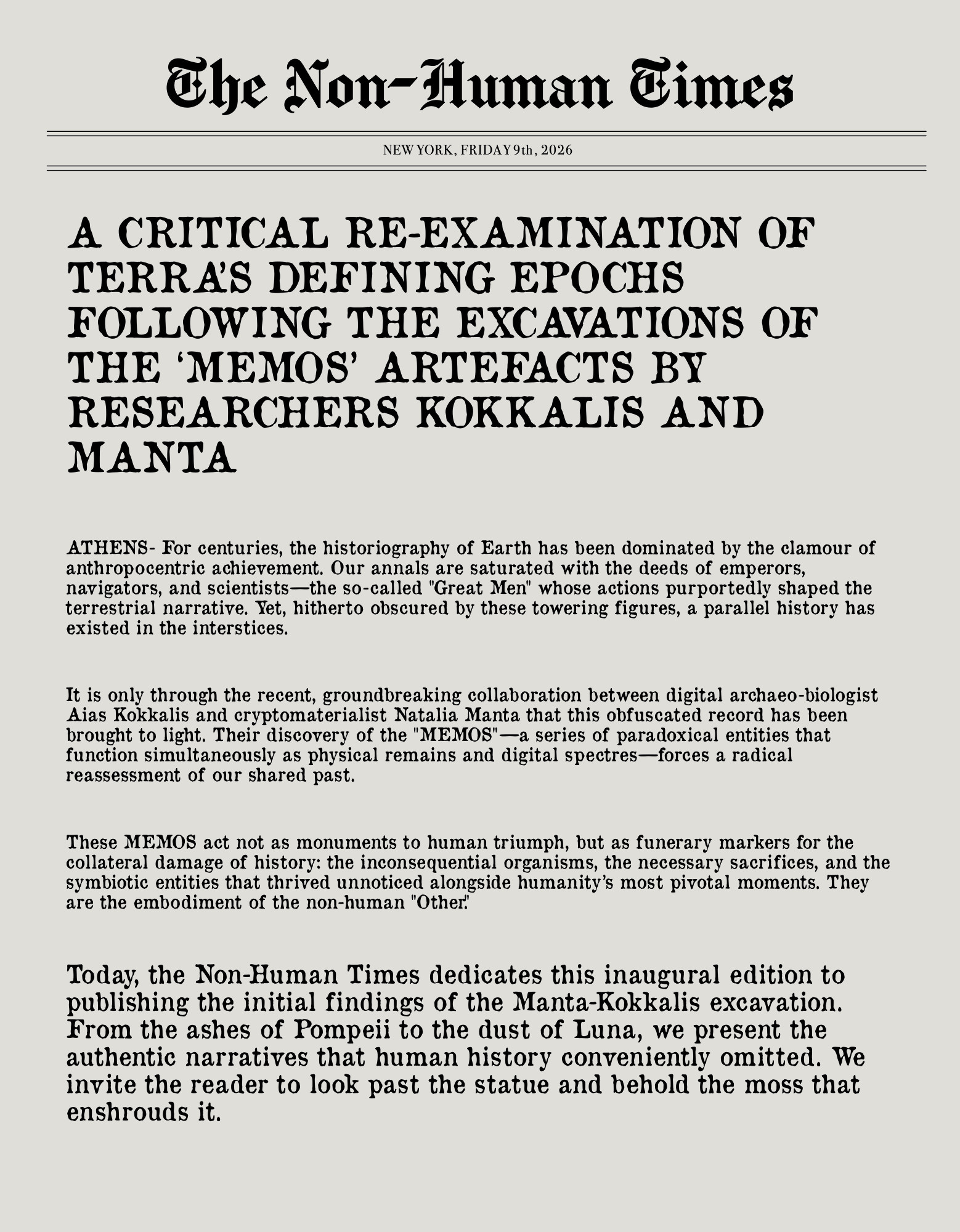
MEMOS inhabit the interstices of history. They represent the inconsequential organisms, the collateral casualties, the necessary sacrifices that find no place in the annals of history alongside figures like Julius Caesar or Christopher Columbus. These are the extraordinary true narratives extracted from events such as the eruption of Vesuvius and the subsequent obliteration of Pompeii, akin to how scant paint and moss are stripped from an unearthed statue to present it in the pristine, idealised form contrived by humans, thereby eluding the authentic history of the ecosystems that enshroud them.
Curatorially, MEMOS are conceived as an experiential rather than a purely visual endeavour. Drawing on Foucault's notion of the "contiguity of paradoxical things," it proposes an alternative perspective, illuminated by otherness, wherein humour and imagination liberate and reintroduce the signified.
The inception of MEMOS arose from a shared desire to excavate the "collateral" narratives often discarded by traditional historiography. Aias Kokkalis and Natalia Manta began their dialogue by questioning the monumental: why do our cultural markers celebrate the conqueror while ignoring the ecosystems and minor organisms that perish in the same breath?
The collaboration became an exercise in de-idealization. By combining Manta’s expertise in the visceral, decaying textures of physical sculpture with Kokkalis’s ability to animate the unseen through 3D environments and digital layers, the duo found they could recreate the "moss and paint" of history. The project evolved into a series of "phygital" diptychs—a format chosen to mirror the duality of the biological and the technological, the remembered and the forgotten.
AIAS KOKKALIS
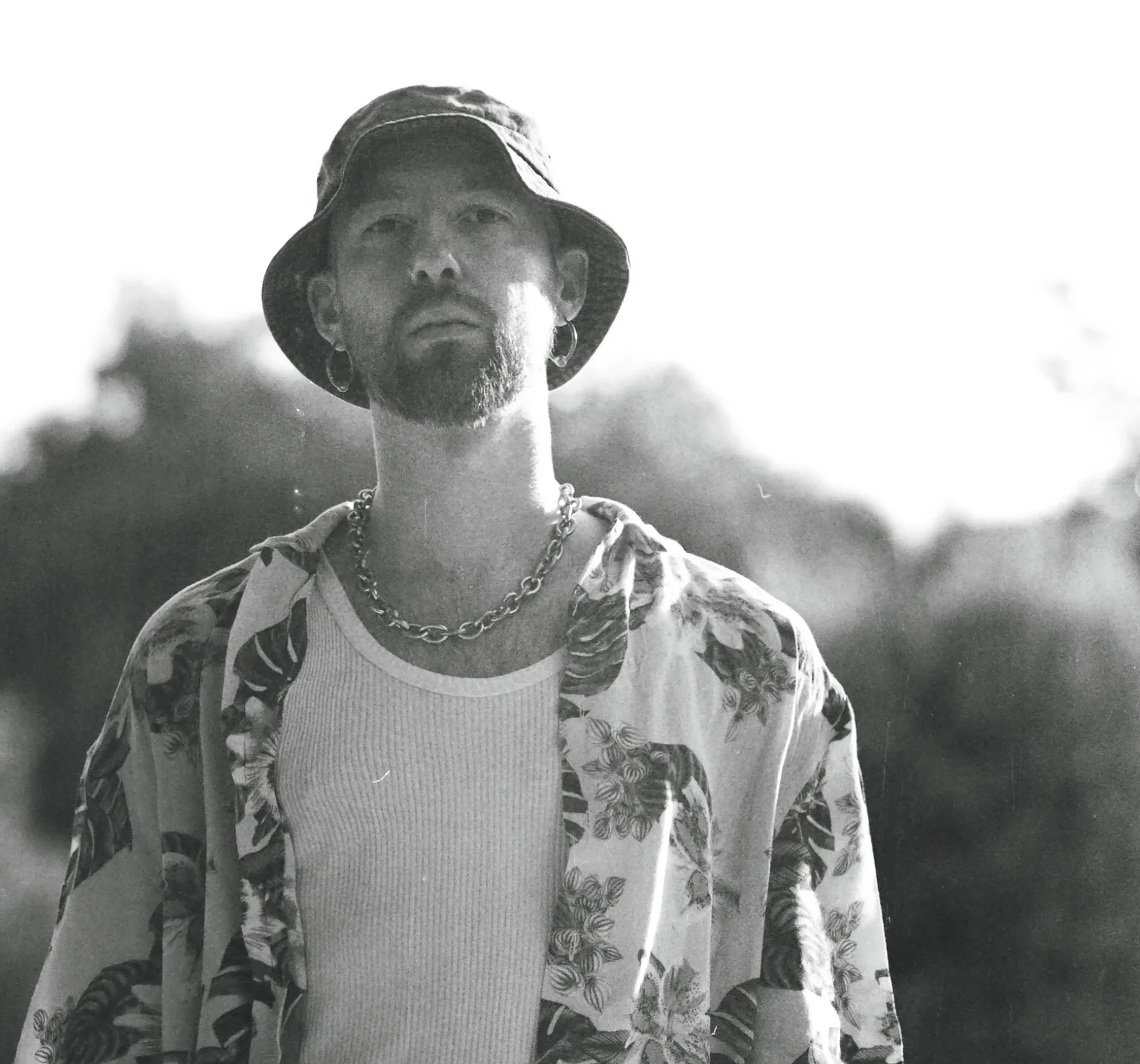
The work of Aias Kokkalis emerges from the confluence of biology, ecology, machines, and the Post-Vitruvian man. His research, influenced by the writings of Donna Haraway, Rosi Braidotti, and Gilles Deleuze, spans collaborations with industry-leading brands—including Nike, Adidas, Netflix, L’Oréal NYX, Huawei and Mercedes-Benz—as well as artistic partnerships with artists such as Grimes and Curry Tian.
With a multidisciplinary background in Computer Science, VFX, and architecture, Aias Kokkalis creates photorealistic simulations and 3D animations that spark a dialogue on non-human and post-human paradigms. These evocative environments invite the audience to reconsider the very notion of humanity and its implications for non-human beings.
NATALIA MANTA
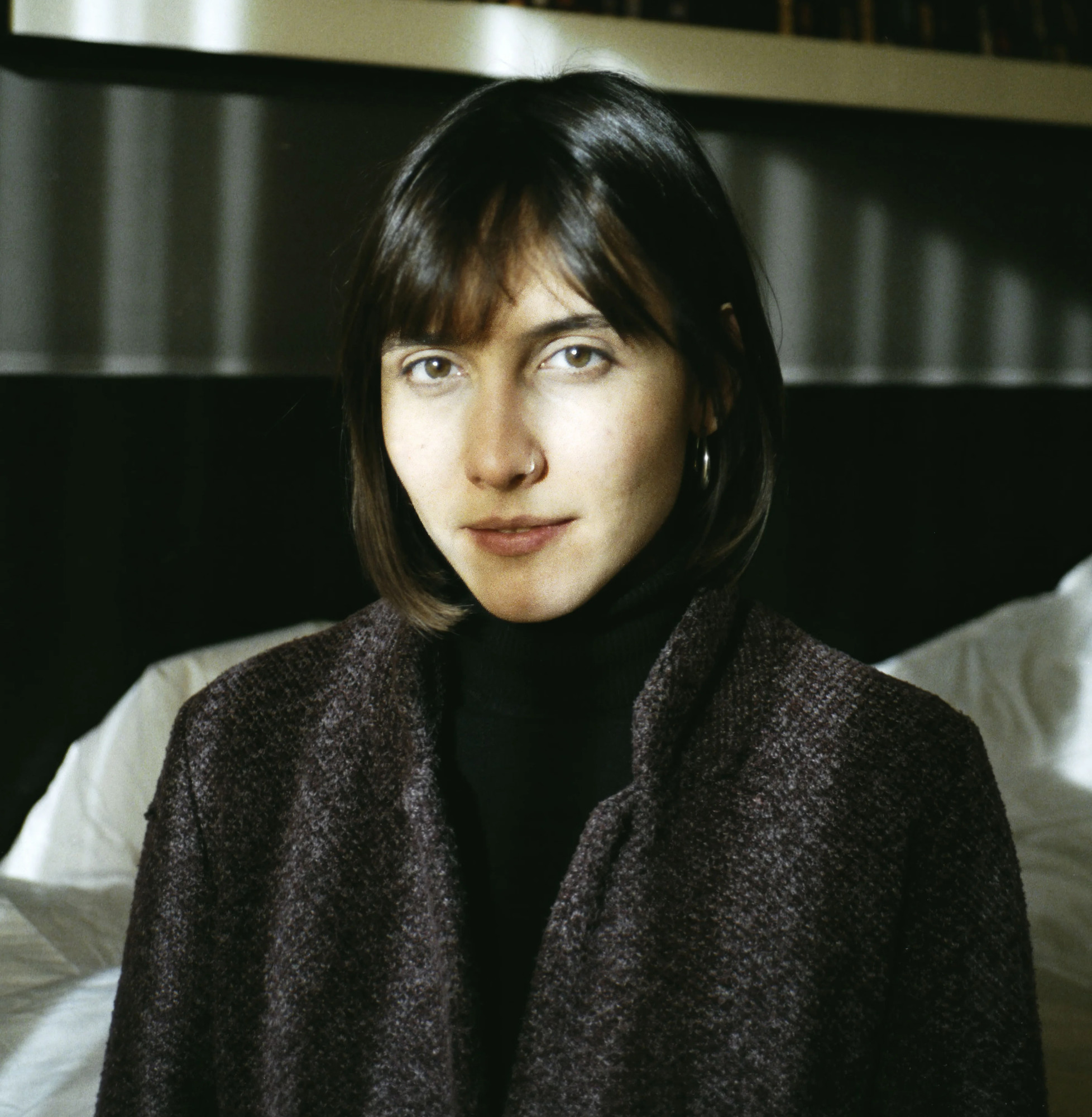
Natalia Manta is an artist born in Greece whose practice explores the intersections of archives, archaeology, biology, and myth, with memory serving as the central thread that binds these fields together. Her work examines how memories are formed, preserved, and transformed over time, drawing connections between physical remnants of the past and the fragile, mutable nature of recollection. Sculpture plays a central role in her practice, with clay functioning as a primary material that carries embodied historical memory. Through multiple cultural references, Manta seeks to reconstruct a universal material language rooted in shared human experience, working with a combination of materials such as clay, metal, glass, wax, and photosensitive surfaces.
Archaeological methodologies inform her process, approaching each work as an excavation that uncovers forgotten narratives and recontextualizes them within the present. Mythopoetic structures are interwoven with influences from science fiction, while themes related to the mechanics of anatomy and the mobile structure of the living body further shape her exploration of material and form.
Working within a multidisciplinary framework, Manta engages with objecthood, ritualistic qualities, and archival strategies, supported by extensive thematic research prior to each project. Ultimately, her work aspires to form a symbolic whole in which matter narrates beyond language, inviting reflection on personal and collective memory.
TECHNE HOMECOMING
2026
Onassis ONX, 390 Broadway, New York, NY
Onassis, the Brooklyn Academy of Music (BAM), and Under the Radar (UTR) presented“TECHNE,” an exhibition featuring four large-scale digital artworks. Curated by Onassis ONX, this innovative exhibition invited visitors to immerse themselves in the different worlds captured by each work. “TECHNE” offers four distinctive realms brought to life by generative AI, real-time interactive displays, and immersive sound.
ART FOR TOMORROW
VENICE ITALY
2024
Art for Tomorrow took place in Venice from June 5-7, 2024 at the Palazzo Grassi for the opening evening and at the Palazzo Diedo, owned and newly renovated by the Berggruen Institute. The “floating city” was an appropriate setting to consider the complex problems that beauty can bring: How can cities and cultural sites celebrate their heritage without becoming victims of their own success through overtourism? How can museums and monuments protect themselves from the inevitable impact of the climate crisis? How should institutions and artists think about and reflect the concerns of their changing populations?